Food and home supplies preparedness: how to protect your family and your styled homelife
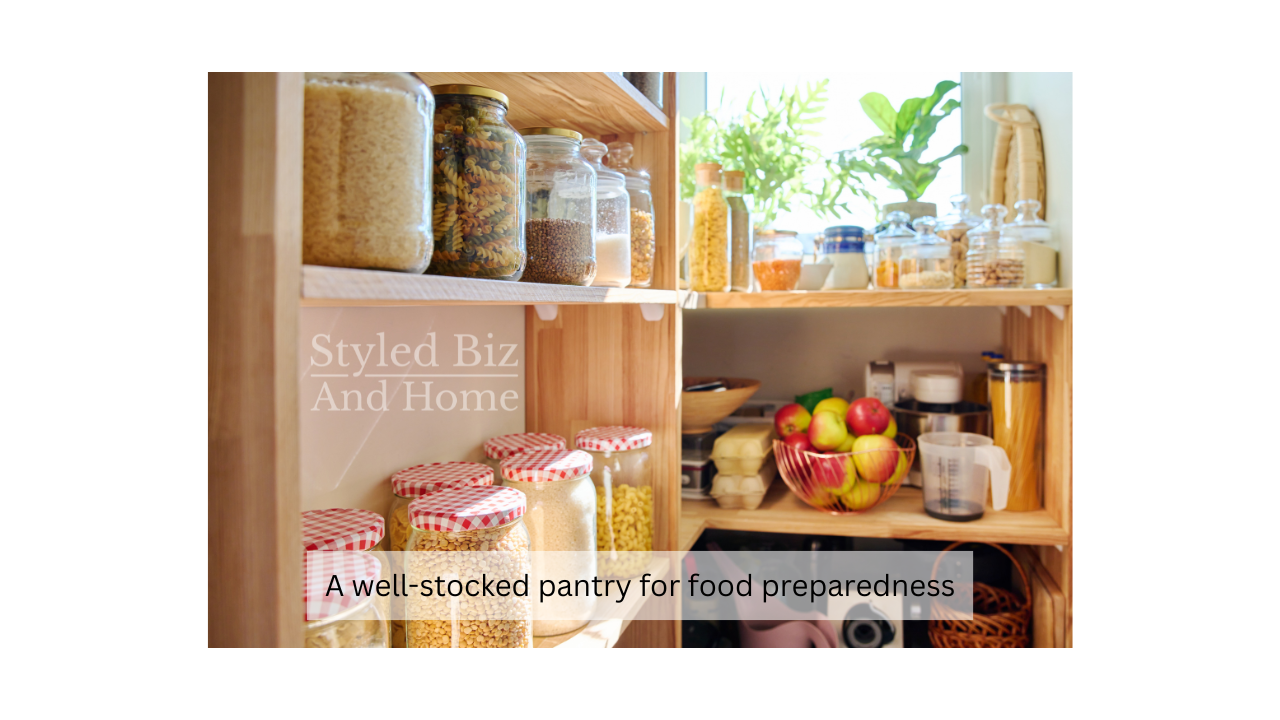
Pantry‑preparedness is a topic that I have wanted to write about for some time now because, with so many factors happening around us that we cannot control, a well‑stocked pantry is one thing that is within our reach. Food and home supplies preparedness protects your family from sudden price increases and empty shelves, gives you security during crises and emergencies, and helps you keep everyone well‑fed and nourished even when getting to the shops is difficult. It also brings a deep sense of peace of mind, reduces stress, and lets you use your time and energy more wisely at home.
Start your food preparedness at home. In this post, I’ll walk you through why food preparedness is something you need to plan for and how you can start building up your pantry, fridge, freezer, and household supplies in a thoughtful, sustainable way.
With the uncertain state of the world that drives high fuel prices, we homemakers are bracing ourselves for grocery prices that keep getting higher and higher. We also have experienced food and other household supplies challenges during the Covid-19 pandemic. At present, we are challenged with the price of everything, including food, especially food. We are also aware of food chain supplies being disrupted due to world events as well as events happening in our local areas which may include natural calamities. By doing simple steps to save money when shopping, managing your food stock and home supplies inventory, you can give your household protection from price increases and security during crises.
In our personal lives, challenges to feeding our families well may include sickness in the family and other emergencies, work redundancies, the family food budget, lack of time due to many demands of work and family, or life events such as pregnancy. No matter the reason of the challenges with nourishing our families, pantry preparedness plays a key role in navigating food and home supplies challenges and surviving uncertain times. It can even help us thrive during difficult times because we have the essential supplies to weather out the storm (no pun intended) or keep the family well-fed until a new paid job is found.
So, what exactly is food preparedness? For me, this means having more food ingredients than I need for normal meal planning. It is the extra food supplies that you intentionally accumulated over several months for the purpose of anticipating difficult circumstances that prevent us from getting the food supplies we need from our grocery stores. It is not panic buying. Instead, it is buying food, including household supplies with the future in mind, especially with the mindset of preparedness and enabling ourselves to survive such emergencies. Also, you can plan for it with the view of buying food and supplies at a lower cost now rather than buying it in the future when the price may significantly increase.
Food preparedness can be as simple as accumulating extra pantry goods over time or it can be more thorough if you also want to stock your fridge and freezer, which, especially for many of us with families, is ideal. It is a step ahead than just laying money aside and saving your money to buy those goods later because the point would be securing those food items when and while they are still available.
Personally, I have always appreciated a well-stocked pantry and for this post, also other household supplies. Never have I appreciated being prepared more than during Covid, going to the shops often to see if some food items got restocked. Also, earlier this year, our area got cut off by flood waters and there were several weeks where many grocery shelves went empty. I love pork but when I went to the grocery store by around the third week during the flooding, the meat available was mostly pork and I already had enough pork at home. I needed other kinds of meat. I needed to top up my fruits and vegetables at home but even the fruit and vegetable shelves were empty. I was lucky I had enough supplies for another week because the food trucks were expected to come through to our area then.
To date, this year's flooding in the towns surrounding our area was I believe, the longest flooding I can recall and the event that most tested my food preparedness. I will be stocking up more meat and tinned fruits and vegetables next time on top of my frozen fruits and vegetables to have more variety while waiting for fresh produce to be restocked at the shops.
I can say I had a well-stocked pantry, fridge and freezer but it wouldn't have lasted much longer. I was grateful when the shops got restocked again just when I needed to shop for food. So, another note on my preparedness initiative would be to make sure my food stock at home can last at least a few more weeks longer than what I've normally prepared for. Below are some of my tips on what to keep in your pantry for the purpose of food and supplies preparedness.
Stock your fridge with:
1. Fresh produce such as fruits and vegetables. These food items are usually consumed first because they are perishable. I store them properly in the fridge in the crisper and in special containers that prolong their freshness.
2. Dairy, eggs, cheese, milk, bread, and butter are other fridge staples to stock up on along with snacks which need refrigeration such as muffins, yogurt and dips.
3. Condiments, sauces, pickles, etc.
4. Fresh red meat, chicken, pork, sea food, which are stored for immediate cooking or kept marinated in the fridge overnight or for a few days.
Stock your freezer with:
1. A variety of fresh meats, stored fresh, marinated, or packed in portions, sausages, bacon
2. Frozen vegetables, fruits
3. Frozen cooked meals
4. Frozen butter
5. Deli meats
6. Seafoods such as fish, prawns, squid
7. Frozen snacks such as ice cream, frozen croissant dough, dim sums, spring rolls, sausage rolls, cheesecake
8. Frozen bread, pizza bases
Stock your pantry with:
1. spices, seasonings, salt
2. long-life cream, shelf-stable block of cheese, UHT milk, spreads
3. powdered goods like sugar, flour, yeast, bread improver, milk, etc.
4. canned goods
5. bottled goods
6. soup packets
7. sushi wraps
8. canned tuna, sardines, anchovies
9. boxes of jelly mix
10. condiments, sauces, cooking oils, vinegars, baking soda
11. onions, garlic, ginger
12. paper towels, zip lock bags or reusable bags, kebab sticks
13. grains, canned (from home) food items
14. snacks, baby foods
15. medicines
16. water
17. other household supplies: toilet paper, cleaning wipes, cleaning products, garbage bags, water filters, toiletries, matches, candles, patty pans, copy paper, aluminum foil, cling wrap, baby essentials such as nappies.
You can build your food and household supplies in a sustainable way by stocking up when the items you normally buy are on special, or when the items you wanted to try are on special by buying a few extras when you shop. Recently, I checked the weekly catalog of our local supermarket and this led me to buy a large bottle of hair conditioner and shampoo for half price and I saved $21.00 (Australian dollars) just on these two items that I will need in the next month. Of course, if you have a home garden, you can prolong the life of your produce by canning, dehydrating, or blanching then freezing them. You can also buy bulk items and repack them in airtight containers.
Other helpful tips would be to label your supplies with their name, the date when you bought them and their date of expiry so it will be easy for your household to manage your food and supplies inventory. Because you keep your supplies in various places in your home, it would be good to have a food and home supplies binder to keep an inventory of what you have. In this way, it will be easy to know what you have on hand, what you ran out of, and what to stock more of. Also remember to rotate your supplies and to store them well for a long time to prevent bugs from getting into them. This is food preparedness in a nutshell. With planning, creativity, and proper storage, you are designing a homelife that gives you peace of mind, one that can support you when times do get tough, with the help of a well-stocked pantry, fridge, and freezer.

Here are the benefits that you can enjoy when you have food and household supplies preparedness:
- Protection from price increases and shortages
Stocking up when items are available and on special helps you avoid future price hikes and empty shelves.
- Security during crises and emergencies
A well‑stocked pantry, fridge, and freezer support your family through pandemics, floods, natural disasters, job loss, sickness, pregnancy, or other life events.
- Ability to keep your family well‑fed and nourished
You can still provide varied, nourishing meals even when fresh produce or certain meats are unavailable in stores.
- Peace of mind and reduced stress
Knowing you have enough food and supplies to see your family through brings calm and confidence when times get tough.
- Better use of time and energy
With supplies on hand, you make fewer urgent trips to the shops and can better manage busy seasons at work and home.
- Financial advantages
Buying in bulk and when items are on special can save money over time, especially before prices go up. With a well-stocked pantry, meal planning becomes easier, resulting in cost-effective and more nutritious foods than one can get from take outs or take aways.
- More control and intentionality at home
Tracking inventory, labeling, rotating supplies, and using a home supplies binder help you stay organized and avoid waste.
- Preparedness beyond food
Stocking household essentials (toiletries, cleaning products, nappies, candles, etc.) ensures the home continues to function smoothly in disruptions.
- The chance to share with others
You may be able to help someone in need because of your well-stocked supplies.
With a little planning and intention, food and home supplies preparedness doesn’t have to feel overwhelming or expensive. With food supplies, start small by adding just a few extra staples to your trolley each time you shop and by steadily building a pantry, fridge, and freezer with essential supplies. These small, sustainable steps will give you the security and peace of mind that your family needs especially during challenging times.